.jpg)
Spatial Intelligence: Designing for Practicality, Flow, and Longevity
Spatial Experience
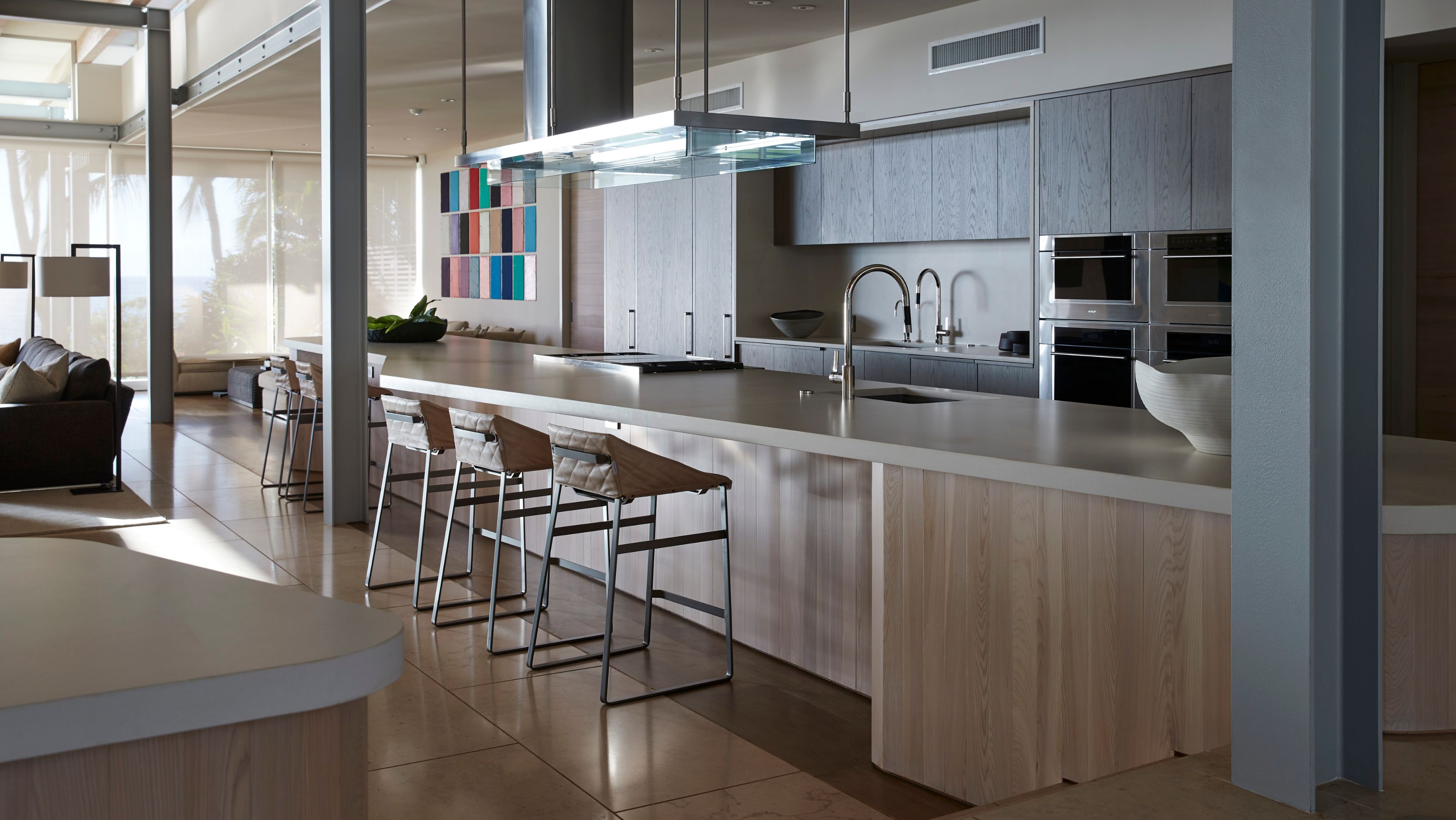
Spatial intelligence is revealed through how a home is organised. It can be seen in the relationship between rooms, the clarity of circulation, and the way spaces support daily life and flow without friction. Rather than relying on individual moments, spatial intelligence is expressed through the coherence of the whole.
Homes are experienced as sequences of movement, orientation, and connection, shaping how they are navigated throughout the day. When these relationships are resolved with care, spaces feel intuitive to use, allowing daily routines, gathering, and retreat to unfold naturally.
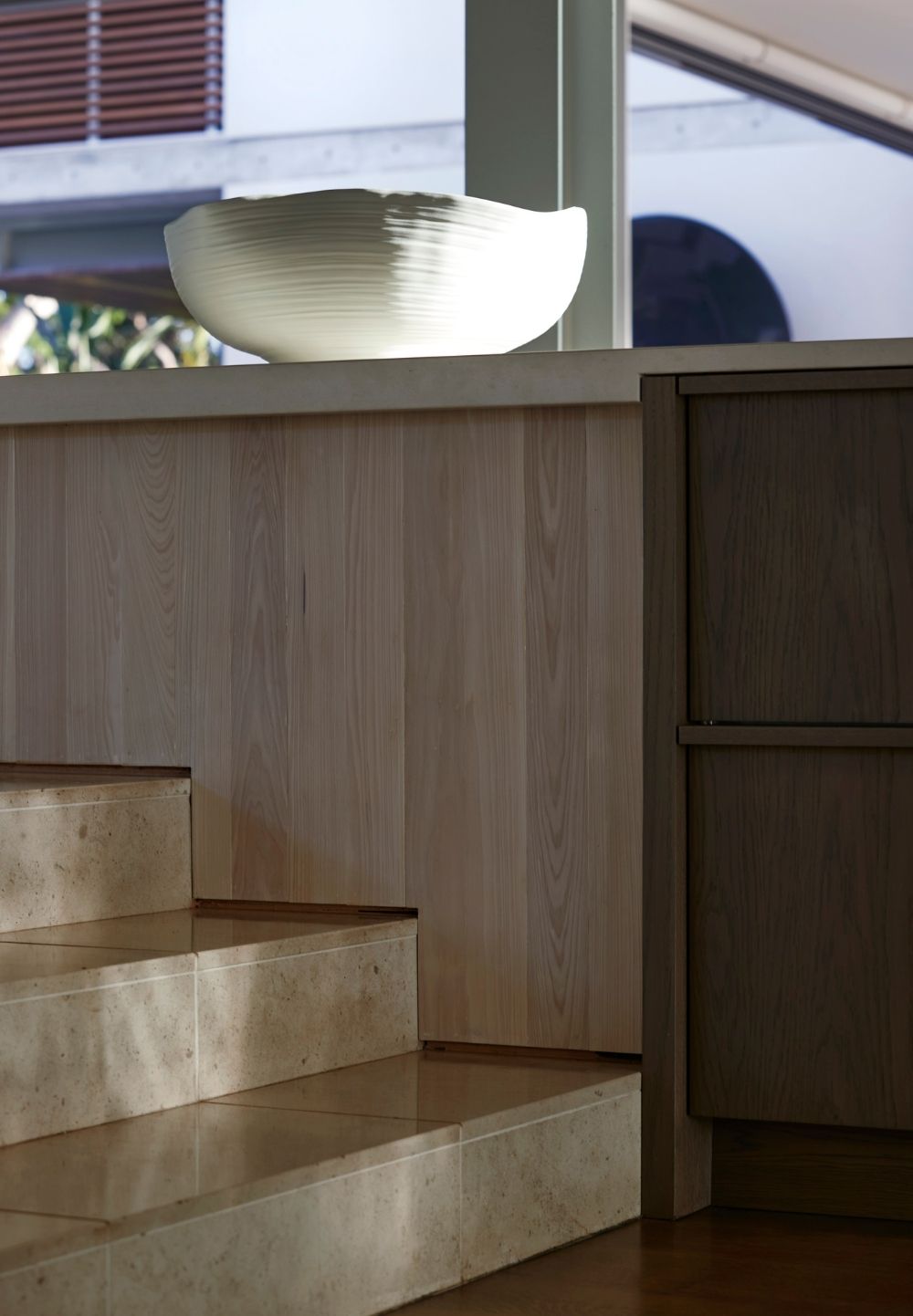
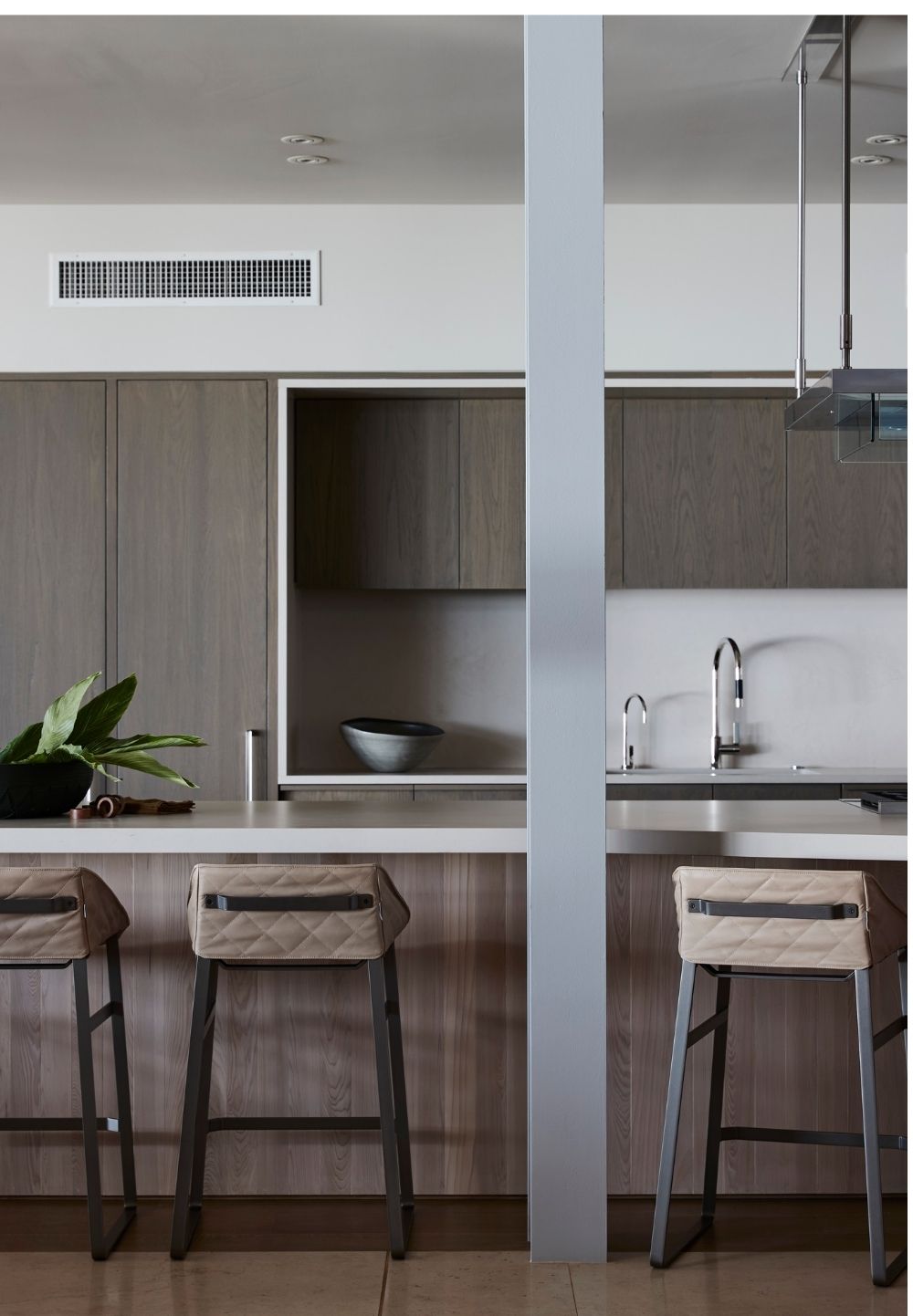
A spatially intelligent home does not draw attention to its planning. Rooms relate to one another through proportion, alignment, considered finish selection, and flow, creating a sense of balance and continuity. This clarity allows architecture and interior to work together, resulting in homes that feel considered, composed, and easy to live in.
.jpg)
.jpg)
Spatial Clarity in Practice
Spatial clarity is achieved through careful planning. Circulation feels natural, transitions are legible, and spaces support daily life without friction. Proportion and volume are considered alongside function and form, ensuring rooms feel balanced and appropriately scaled to the way they are used. Furniture proportion and ergonomics play an essential role here, shaping environments that feel comfortable and intuitive, allowing homeowners to move through their space with ease rather than adjustment. When these elements are aligned, daily routines, gathering, retreat, and rest unfold effortlessly.
The relationship between spaces is as important as the rooms themselves. Hallways, landings, and thresholds are treated as integral parts of the design, shaping how movement and pause are experienced. Attention to proportion, volume, and flow reduces complexity over time, giving homeowners a sense of calm and confidence in how their home supports changing needs and patterns of use.
Spatial intelligence is ultimately about practicality and longevity. A well-resolved plan continues to feel right because it supports living rather than prescribing it. Proportion, volume, orientation, connection, and ergonomic consideration allow a home to age gracefully, remaining relevant as life evolves. When space is shaped with intelligence and intent, the result is a home that feels settled, assured, and deeply supportive of those who live within it.