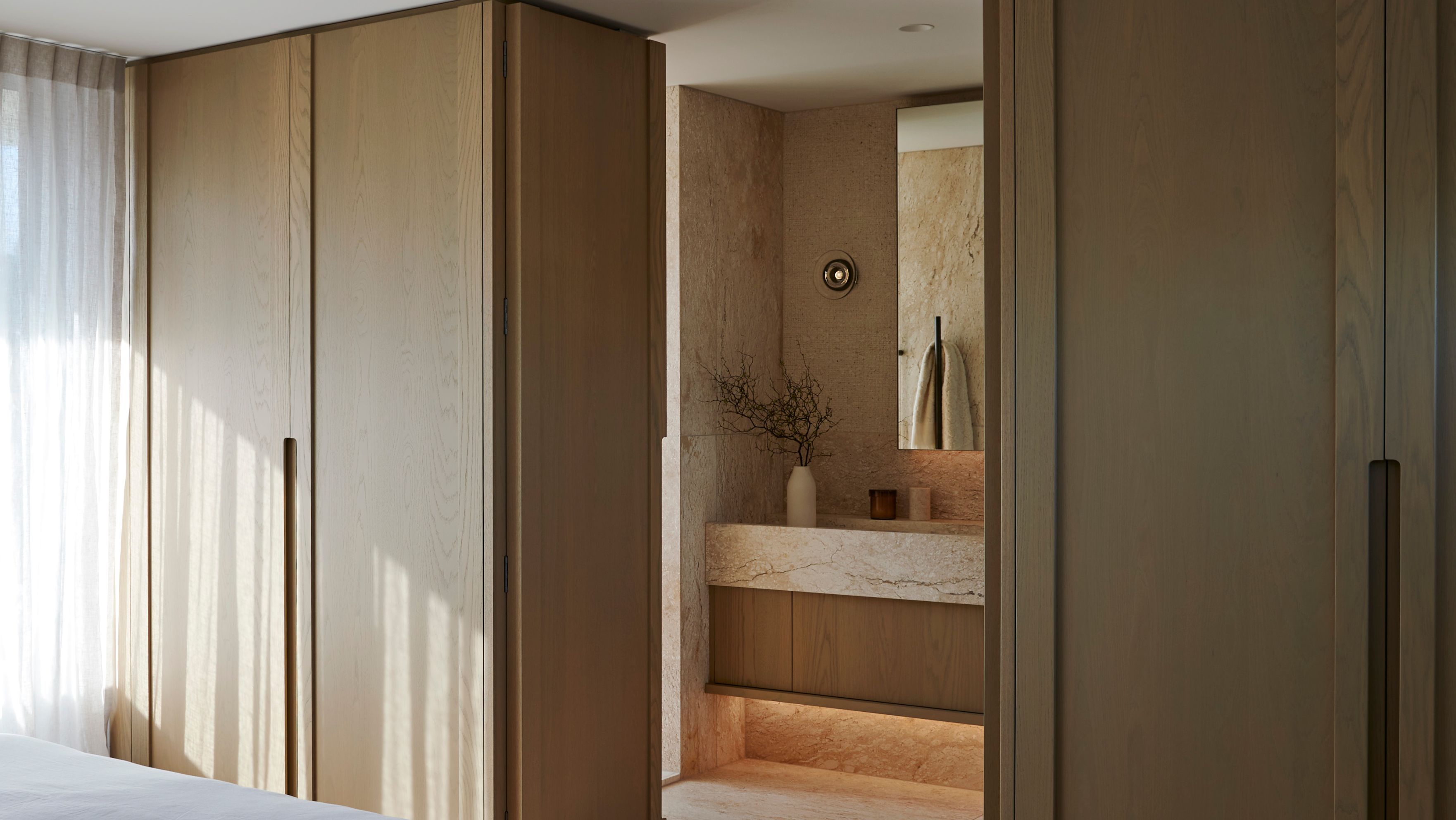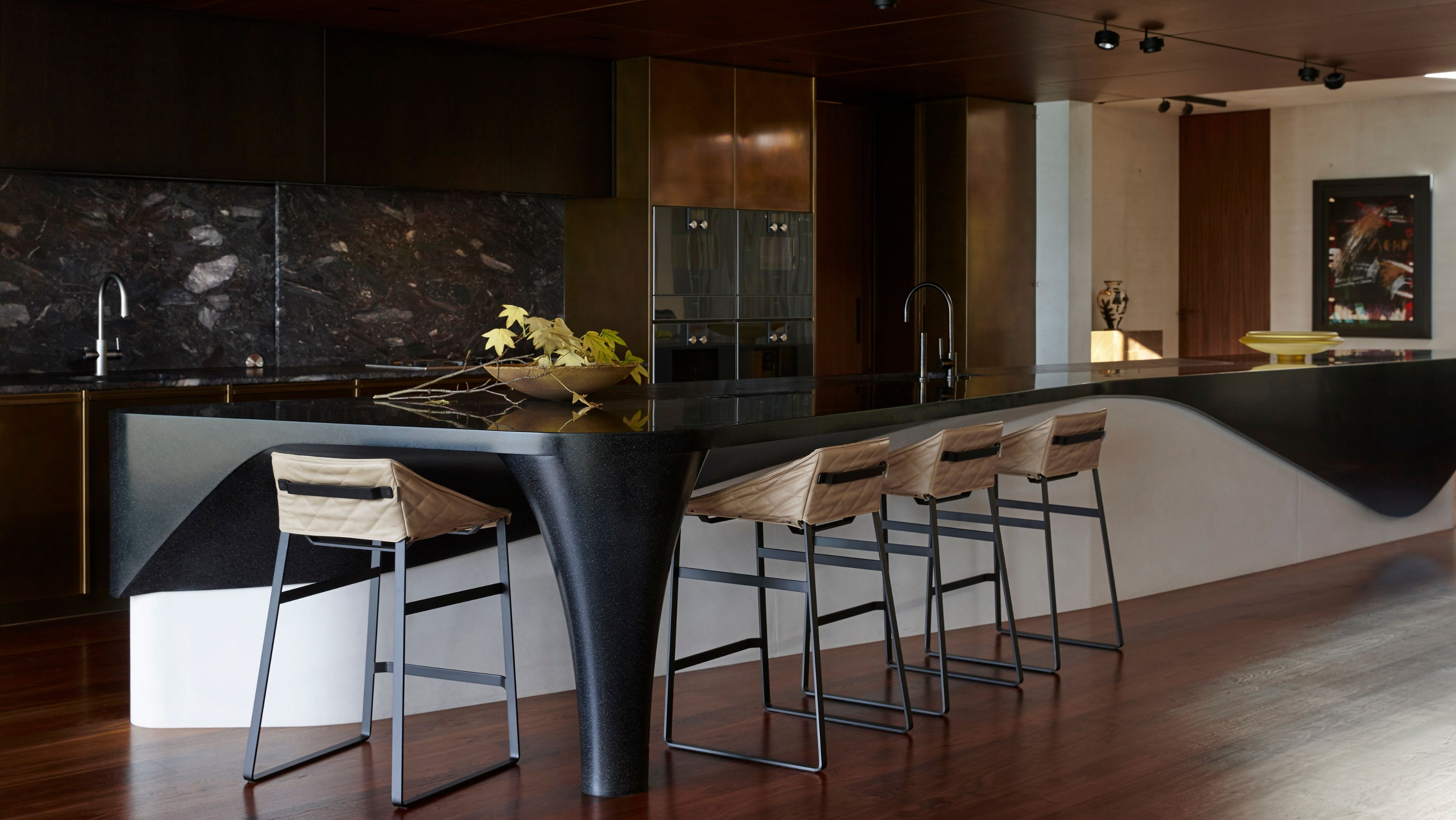
Design Direction and Continuity
Direction and Decision Making
Residential projects are shaped through a long sequence of decisions that unfold over time and in relation to one another. Direction is rarely a single moment or gesture. It emerges through the accumulation of choices made with reference to an underlying intent, rather than in response to isolated conditions.
When direction is established early, decisions become connected rather than reactive. Architecture, landscape, interiors and detailing can develop in conversation, guided by a shared logic that gives the project clarity as it evolves.
Discernment plays a central role. Not every possibility needs to be tested, and not every option strengthens the work. Knowing what to set aside is as important as recognising which ideas deserve to be developed and carried forward.
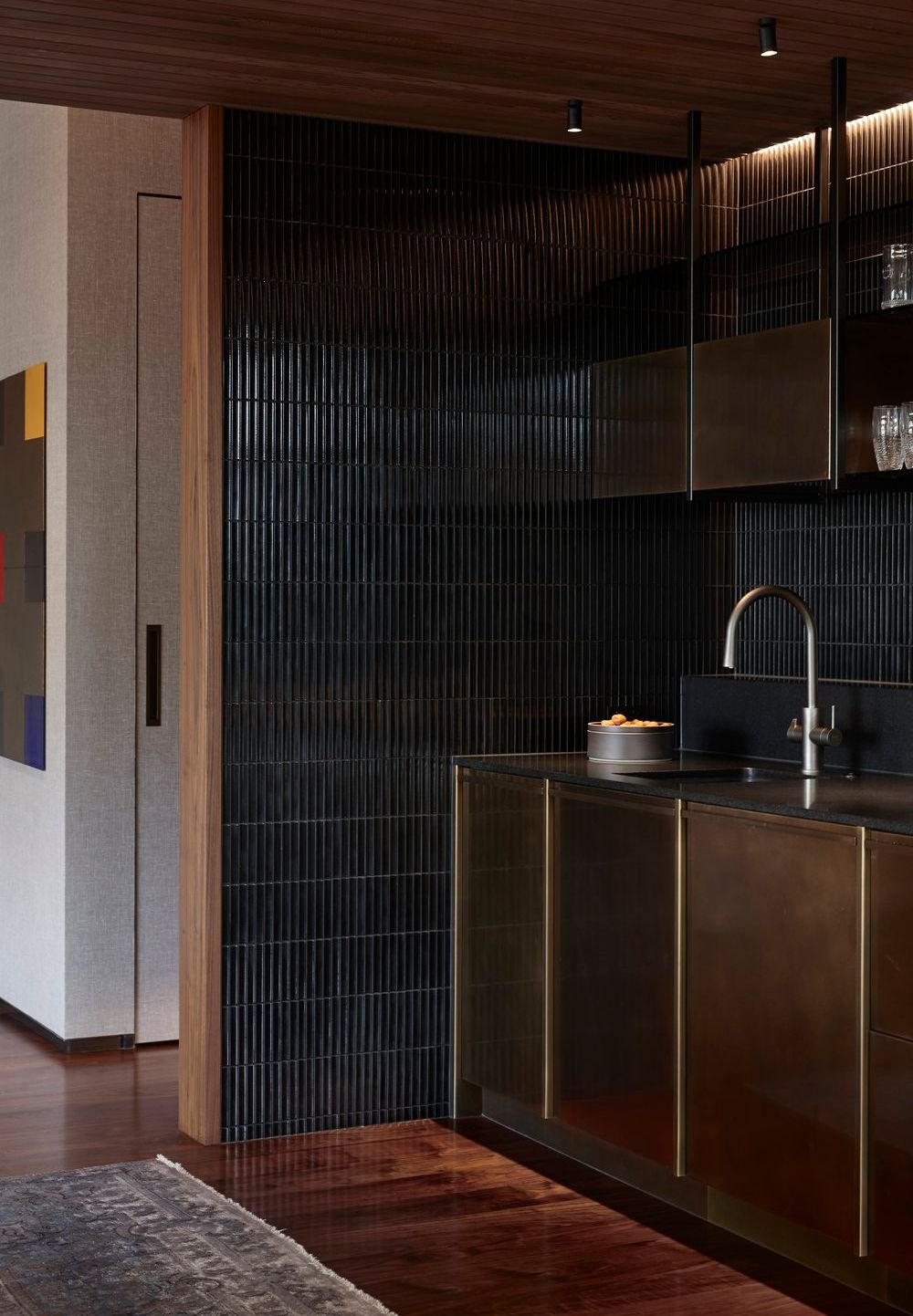
.jpg)
How Direction Is Maintained Throughout Your Project
1. Clarity from the outset
A clear design direction is established early, giving each subsequent decision a framework. This reduces uncertainty, avoids unnecessary revision and allows the project to progress with purpose.
2. Alignment across the project team
Architects, builders and specialist consultants work within a shared design framework. This creates continuity between disciplines and ensures the interior is carried through consistently as the project develops.
3. Decisions carried with confidence
Once key decisions are resolved, they provide an anchor for what follows. New information can be considered without continually reopening earlier decisions or compromising the integrity of the overall design.
4. Consistency through to completion
Design direction continues through documentation, detailing, material selection and execution on site. Maintaining that continuity is what allows the completed home to feel cohesive and resolved as a whole.
.jpg)
Continuity Across Process and Time
Residential interior projects often unfold over extended periods, moving through design development, documentation, construction and installation. Along the way, architects, builders, craftspeople and specialist consultants contribute their expertise, often at different stages and with different responsibilities.
Maintaining continuity requires someone to hold the broader design intent throughout that process. Individual decisions need to be considered not only for their immediate purpose, but for how they affect what has already been resolved and what will follow. This is where design leadership becomes particularly important: anticipating the implications of change, resolving competing requirements and protecting the integrity of the interior as the project progresses.
For me, this is a form of stewardship. It means holding the long view while remaining attentive to the decisions being made along the way, ensuring that architecture, interiors, materials and detailing continue to belong to the same considered whole. When that continuity is maintained from concept through completion, the finished home feels deliberate, coherent and complete.
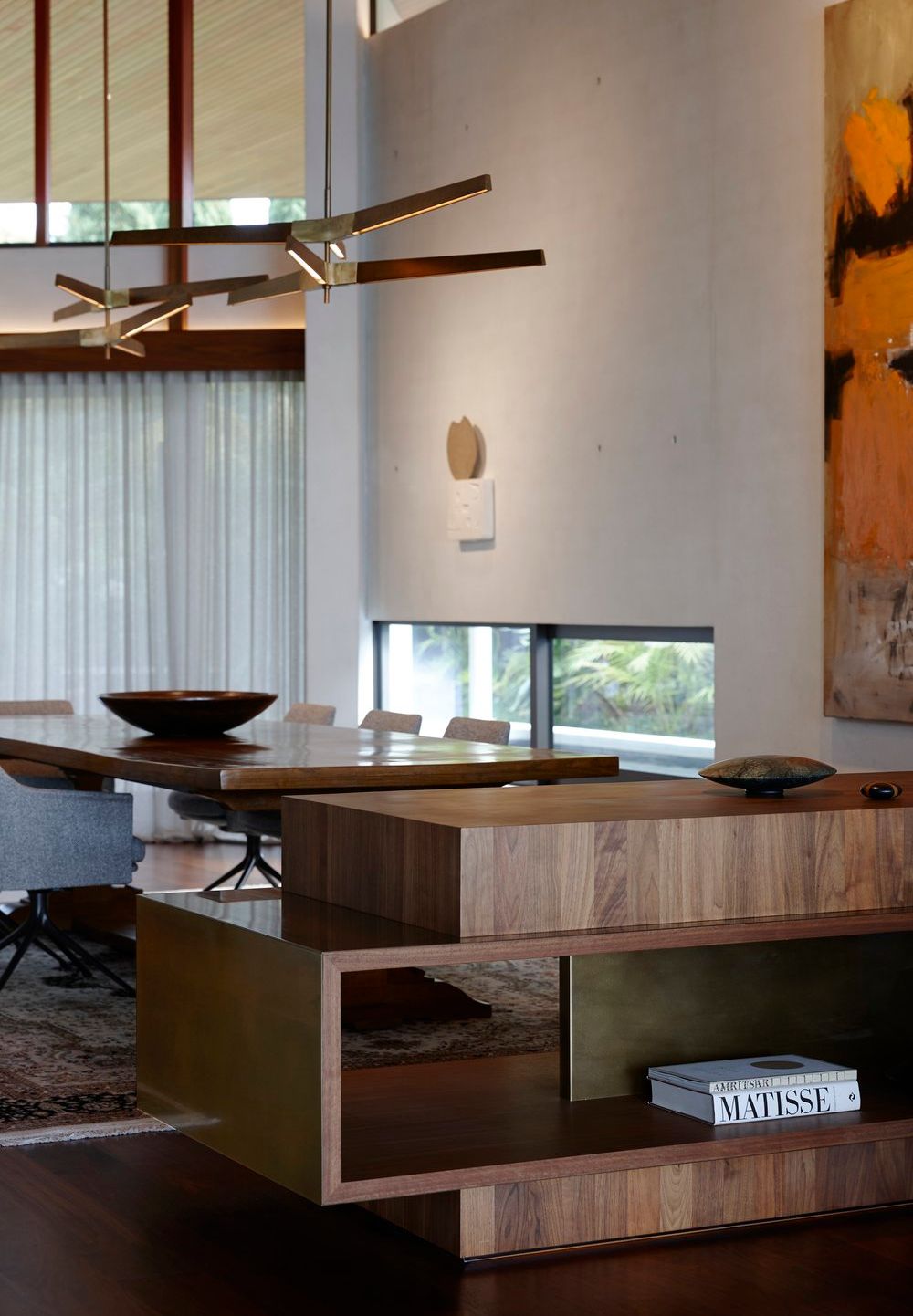
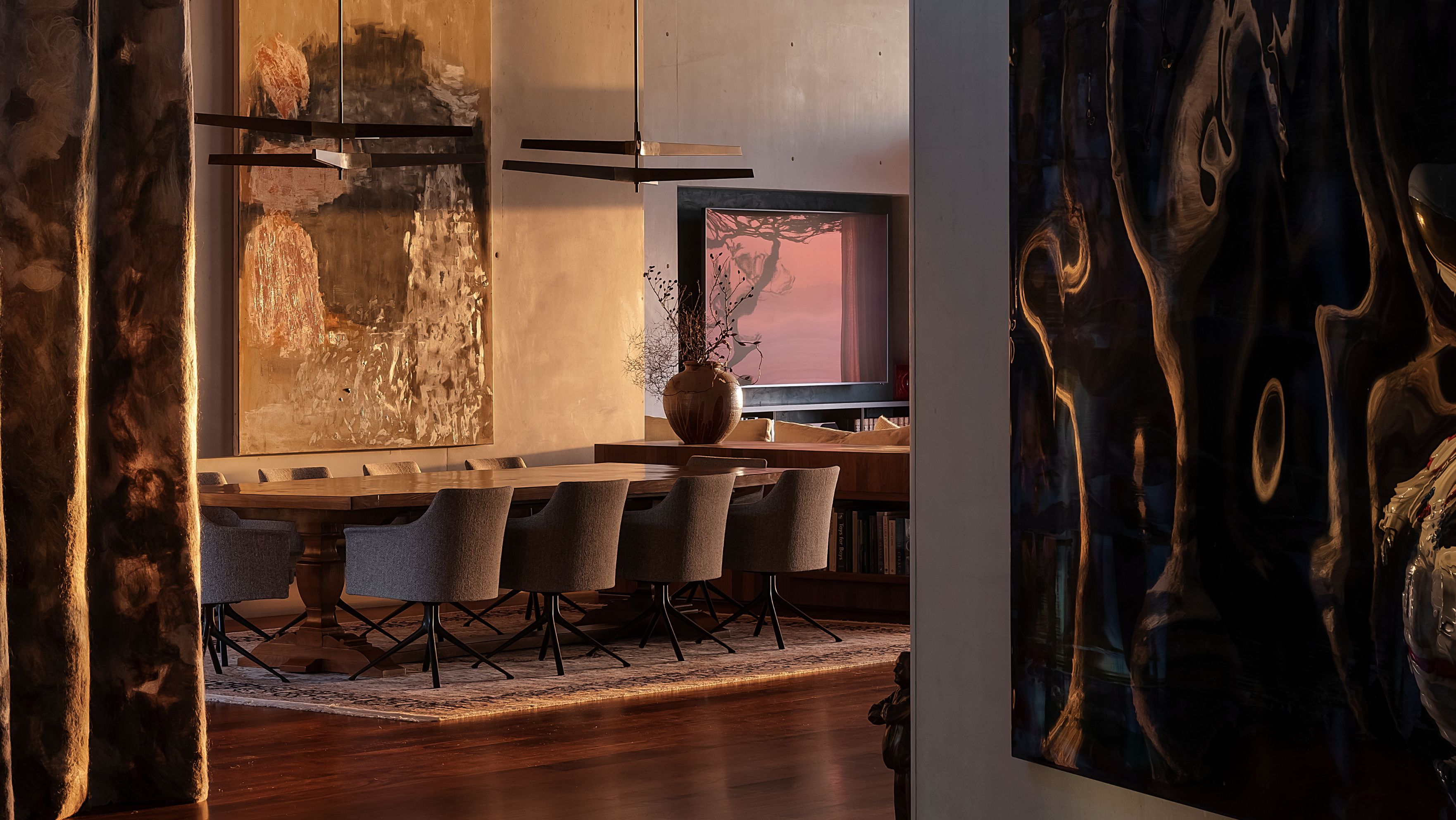
A clear design direction allows architecture and interiors to evolve in conversation, rather than as separate layers.
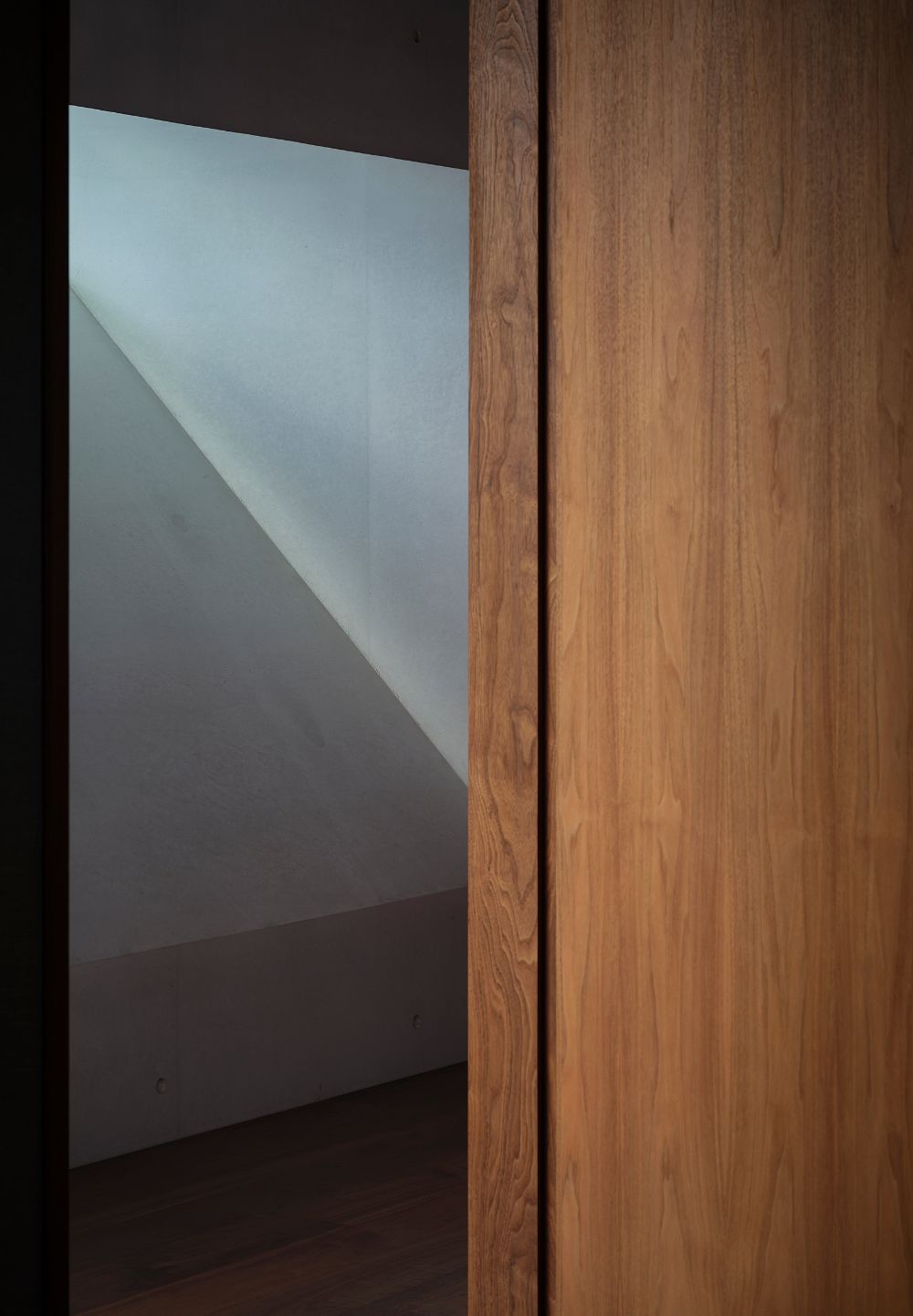
Material continuity is carried through to the smallest details, reinforcing the design language established across the home.
Direction is sustained through attention, discernment, and trust in the process.