.jpg)
Material Expression
Where Materiality Shapes Atmosphere
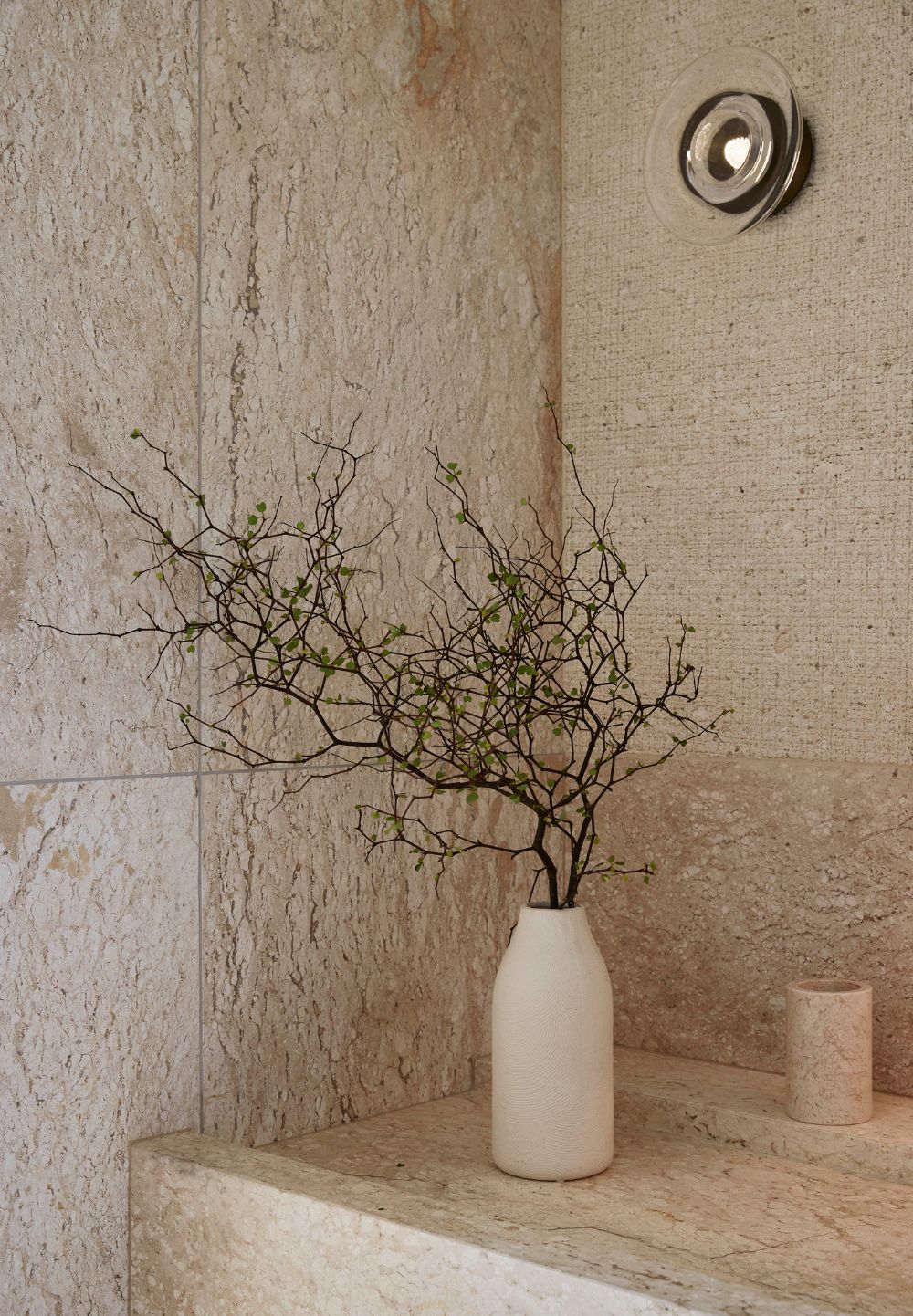
Materiality is sensed before it is consciously noticed. The weight of stone beneath hand, the texture of timber defined by light, the way surfaces settle into daily use, these are the elements that give a home its atmosphere. Long before a space is understood visually, materials influence how it feels. Chosen with restraint and intention, they bring depth, warmth and presence, allowing a home to feel composed rather than constructed.
In refined residential interiors, materiality is not simply a finishing layer. It forms part of the architecture of a space, shaping how light is absorbed and reflected, how surfaces respond to touch, and how an interior develops over time. Rather than relying on statement pieces or excess, I look for a material language that creates continuity, allowing individual rooms to belong naturally to the same home.

Principles of Material Expression
1. Continuity over contrast
Materials relate across spaces, creating flow rather than interruption. This continuity allows a home to be experienced as a whole, where transitions feel considered and calm rather than abrupt or imposed.
2. Depth through restraint
A reduced palette allows materials to carry greater presence and nuance. Subtle variation within a limited selection creates richness, avoiding the need for excess or competing elements.
3. Tactility as a driver
Surfaces are chosen for how they feel, respond, and age over time. The experience of touch, temperature, and texture shapes how a space is inhabited, often registering before it is consciously observed.
4. Balance of weight and lightness
Heavier elements are offset to maintain ease and spatial clarity. Stone, timber, and metal are composed alongside moments of relief, ensuring the interior feels grounded without becoming dense.
5. Integrity of application
Materials are used with clarity and purpose, supported by precise detailing. Their inherent qualities are allowed to lead, rather than being altered or overworked to achieve effect.
6. Enduring over immediate
Selections are made for longevity, both in performance and relevance. Materials are chosen to hold their character over time, supporting interiors that remain considered and composed well beyond completion.

Material as Creative Expression
Material expression is often where creativity is most clearly felt. The considered layering of finishes, the dialogue between texture and tone, and the tension created through contrast and restraint give an interior its individuality. At Clifftops Residence, this extends beyond stone, timber and finely resolved detailing to art and textiles, including a large-scale work I commissioned directly with artist Claudy Jongstra. Each element contributes its own character while remaining part of a cohesive whole.
I am interested in combinations that feel individual rather than expected. At their most resolved, materials do not need to match or conform to a prescribed palette. They can vary in weight, texture and origin while maintaining a clear relationship with one another. This allows an interior to develop depth without becoming visually complicated, and creates a material language that can continue naturally from room to room.
Material expression ultimately moves an interior beyond decoration. It gives a home identity through the cumulative effect of many considered decisions rather than any single defining gesture. As materials age, soften and become familiar, they become increasingly connected to the experience of the home and the people who live within it.
.jpg)
Commissioned directly with artist Claudy Jongstra, this textile work brings material depth, tactility and individuality to the Clifftops Residence.
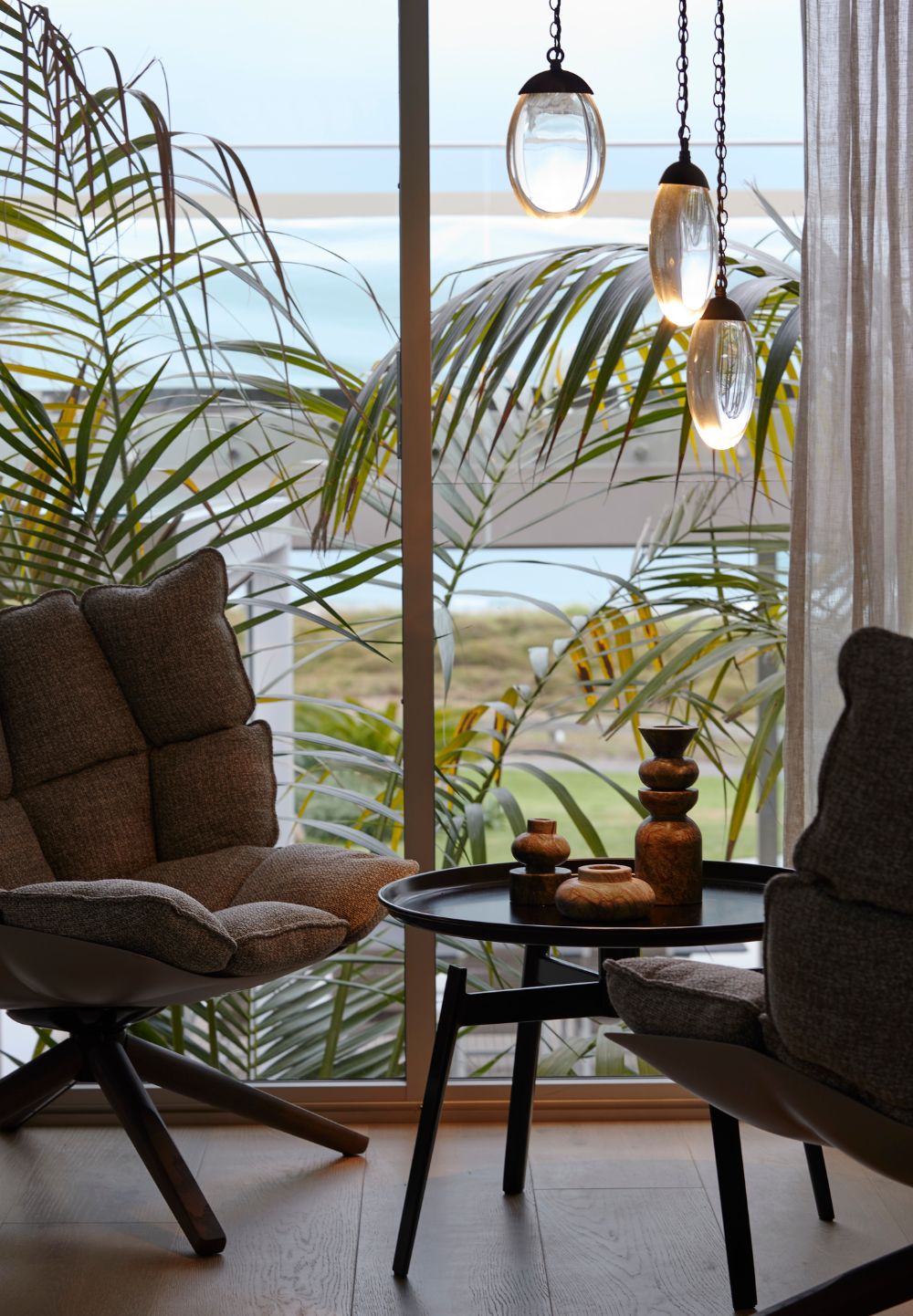
Timber, stone and textured surfaces respond to filtered light and the coastal setting at Water’s Edge, Maui.
.jpg)
.jpg)
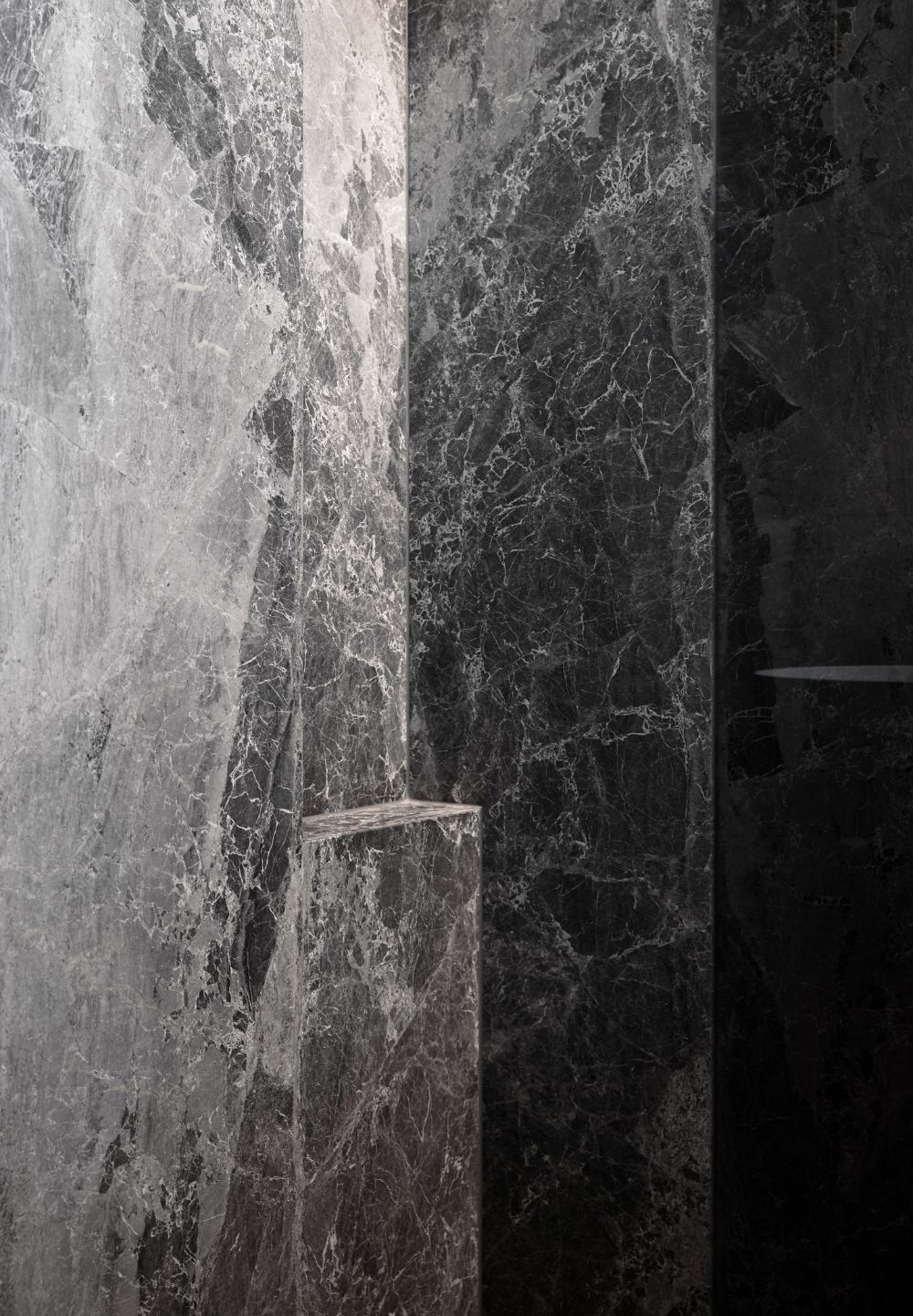
Material, texture and tone are resolved as a whole, creating an interior defined by depth rather than decoration.
.jpg)
.jpg)